



 Get Quote
 Send Inquiry
Black Masterbatches
Price 80.00 INR/ Kilograms
MOQ : 10 Kilograms
Black Masterbatches Specification
- Mesh
- 60 - 100
- Particle Size
- 3*1 MM
- Carrier
- PE, ABS
- Shape
- Granules, Cylindrical
- Usage
- Synthetic Resin and Plastics
- Purity
- 100%
- Type
- Polymer
- Application
- Injection Molding, Fiber, Film, Extrusion Molding, Blow Molding
- Appearance
- Black
- Density
- 1.40 Gram per cubic centimeter(g/cm3)
Black Masterbatches Trade Information
- Minimum Order Quantity
- 10 Kilograms
- Payment Terms
- Letter of Credit (L/C), Letter of Credit at Sight (Sight L/C), Cash Advance (CA), Telegraphic Transfer (T/T), Cash in Advance (CID), Cheque
- Supply Ability
- 3600000 Kilograms Per Year
- Delivery Time
- 7 Days
- Sample Available
- Yes
- Sample Policy
- Free samples are available
- Packaging Details
- 25KG WOVEN SACK BAG WITH LDPE INNER LINER.
- Main Export Market(s)
- Asia, Africa
- Main Domestic Market
- All India
- Certifications
- ISO 9001
About Black Masterbatches
Black Masterbatches play a crucial role in key markets such as agricultural, packaging, electronics, electrical, and plastic. These masterbatches contain 50% of black carbon content which makes them suitable for usage as a black pigment in different plastic industries. Due to particle size, the black carbon may increase or decrease in the black masterbatches. These are also ideal for ensuring high conductivity, excellent UV protection, and high surface area in the end products. Some of the typical applications of these Black Masterbatches include injection molding, blow molding & roto-molded tanks.
Superior Black Pigmentation Granules
Our black masterbatches offer superior tinting strength and consistent dispersion in polymer applications. Their cylindrical granule shape and precise particle size (3*1 mm) ensure they blend effortlessly during processing, achieving excellent coloration in PE and ABS based synthetic resin and plastics products. Suitability for multiple molding and extrusion processes makes them versatile for diverse manufacturing requirements.
Reliable Performance in Multiple Applications
Designed specifically for film, fiber, injection, extrusion, and blow molding, these masterbatches deliver optimal processability and aesthetic results. With 100% purity and a tailored density of 1.40 g/cm3, they enable manufacturers to achieve consistent color quality, whether producing consumer goods, packaging, or industrial components.
FAQ's of Black Masterbatches:
Q: How are Black Masterbatches used in plastics manufacturing?
A: Black Masterbatches are integrated into synthetic resins and plastics during the blending or compounding stage. Their granular form (3*1 mm, cylindrical) allows for even mixing, providing uniform color distribution in products created through injection molding, extrusion, blow molding, film, and fiber processing.Q: What benefits do these Black Masterbatches offer to processors?
A: These masterbatches ensure high purity (100%), deep black coloration, and excellent dispersion in plastic products. Their precise particle size and mesh range facilitate optimal blending, resulting in uniform tint and improved processing efficiency for manufacturers.Q: When should I use Black Masterbatches with PE or ABS carrier resins?
A: Use Black Masterbatches with PE or ABS carrier resins when your base material matches these polymers. Compatible carriers enhance blending, avoid incompatibility issues, and deliver the best visual results in applications like packaging films, molded components, and synthetic fibers.Q: Where can these Black Masterbatches be applied?
A: They are suited for any facility engaged in plastics production using injection molding, film making, fiber extrusion, blow molding, or general extrusion. Industries across packaging, automotive, consumer goods, textiles, and construction commonly use these masterbatches.Q: What is the manufacturing process for these masterbatches?
A: The process involves blending high-quality black pigment with selected carrier polymers (PE or ABS) followed by extrusion and granulation into 3*1 mm cylindrical shapes. This ensures excellent color dispersion and simplifies dosing during plastics processing.Q: How do I ensure the best results when using these masterbatches?
A: For optimal performance, select the correct dosage based on your end product's requirements and the carrier polymer. Incorporate the masterbatch evenly during melt compounding or polymer blending to guarantee uniform color and consistency throughout the finished item.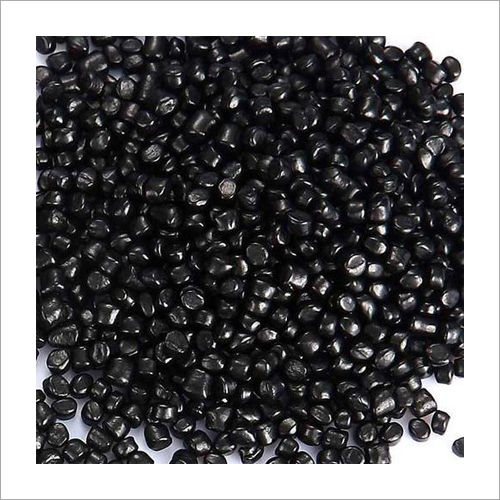
Tell us about your requirement

Price:
Quantity
Select Unit
- 50
- 100
- 200
- 250
- 500
- 1000+
Additional detail
Mobile number
Email

More Products in Konnichiwa Masterbatch Category
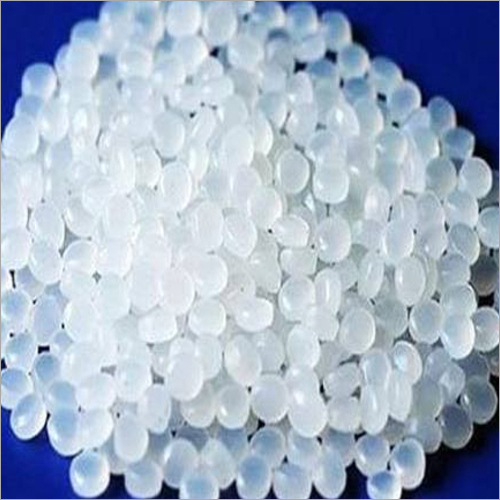
UV MB
Price 300 INR / Kilograms
Minimum Order Quantity : 1000 Kilograms
Usage : Other
Type : Masterbatches
Carrier : Other,
Appearance : White Granules
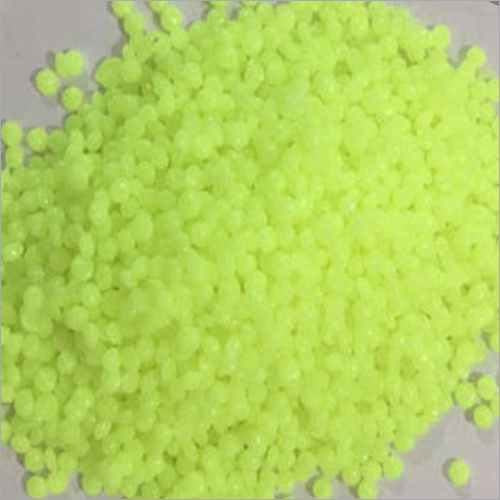
Optical brightner MB
Price 200 INR / Kilograms
Minimum Order Quantity : 200 Kilograms
Usage : Other
Type : Optical brightner Masterbatches
Carrier : , Other
Appearance : Green Granules
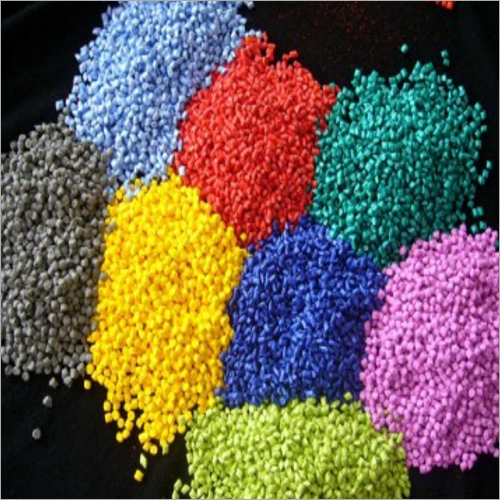
Konnichiwa Color MB
Price 150 INR / Kilograms
Minimum Order Quantity : 1000 Kilograms
Usage : Other
Type : Masterbatches
Carrier : Other,
Appearance : Granules

"We only deal in Bihar, Chandigarh, Delhi, Haryana, Himachal Pradesh, Uttar Pradesh, Punjab, Rajasthan, Uttarakhand."
KONNICHIWA POLY PVT. LTD.
GST : 09AAHCK2637H1ZE
GST : 09AAHCK2637H1ZE

- PLOT NO 506, UDYOG KENDRA 2, ECOTECH III, Greater Noida, GAUTAM BUDH NAGAR,Greater Noida - 201308, Uttar Pradesh, India
- Phone :08448324701

- Mr B.K K Singh (Manager)
- Mobile :08448324701
- Send Inquiry
 Send Inquiry
 Send Inquiry
 Send SMS
KONNICHIWA POLY PVT. LTD.
All Rights Reserved.(Terms of Use)
Developed and Managed by Infocom Network Private Limited.
Developed and Managed by Infocom Network Private Limited.

